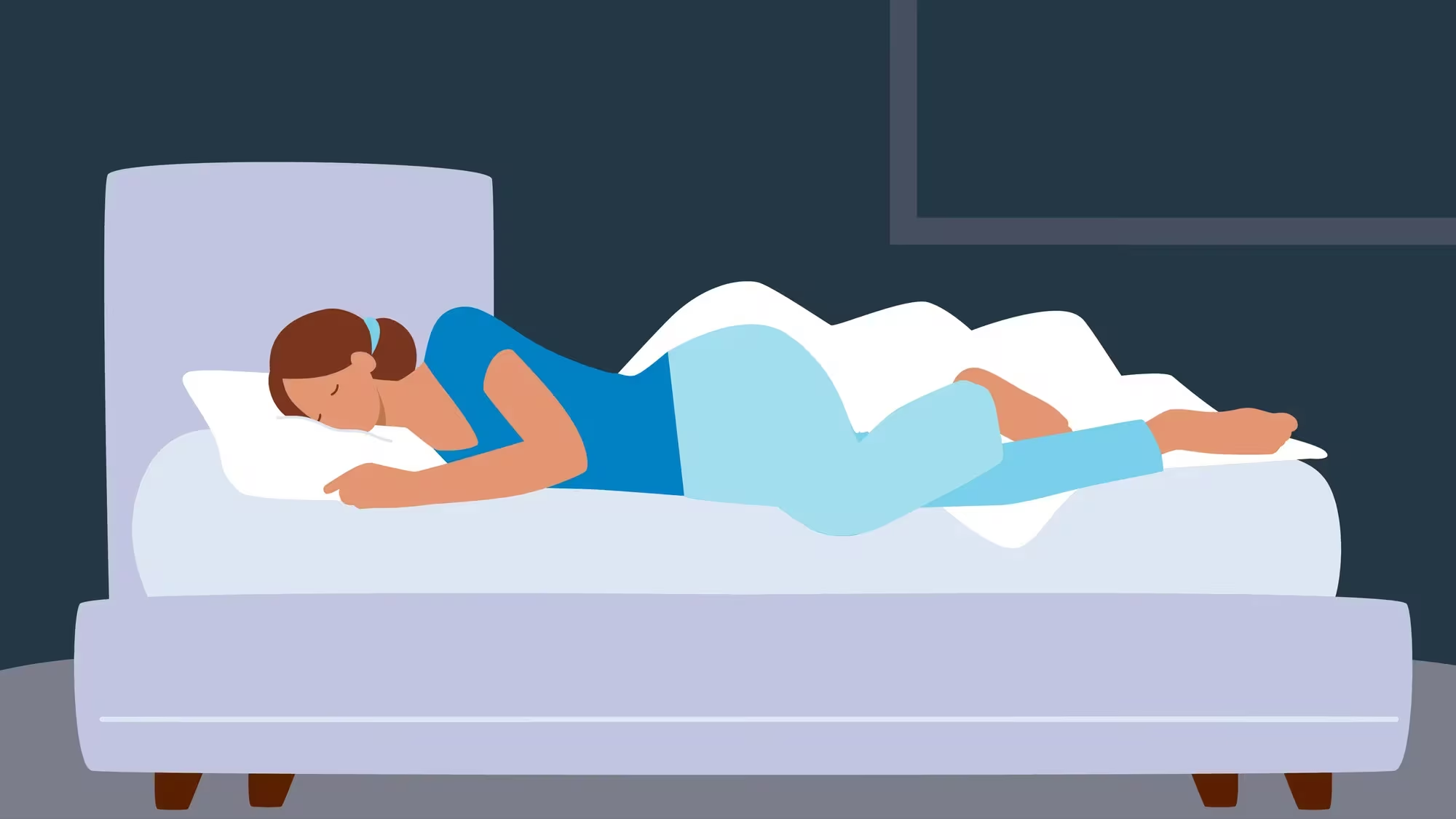
The Hidden Link Between Sleep Position and Morning Pain
Waking up with stiffness, soreness, or discomfort is a common experience — and one that is often attributed to stress, aging, or daily activity. However, an often-overlooked factor may be contributing quietly in the background: the way the body is positioned during sleep.
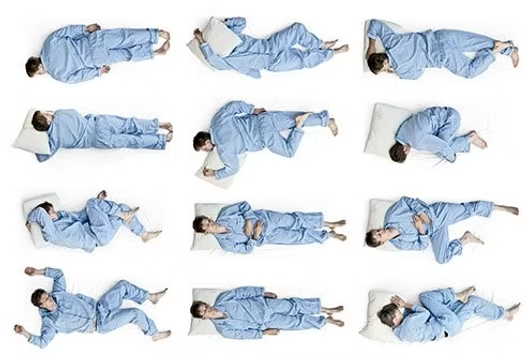
Sleep positions
During sleep, the body is largely immobile for extended periods. While occasional movements occur, many positions are held long enough to influence tissue behavior. Research indicates that sustained postures, particularly those involving rotation or compression of the spine, may increase mechanical load on certain structures.
In a cross-sectional study analyzing sleep posture and spinal symptoms, participants who reported morning pain or stiffness were found to spend significantly more time in positions that placed stress on the spine. These participants also reported poorer sleep quality compared to those without symptoms.
Sustained load
One of the mechanisms behind this phenomenon involves how tissues respond to sustained load. Ligaments, discs, and joint capsules exhibit viscoelastic behavior — meaning they gradually deform under continuous pressure. Over time, this can lead to subtle structural changes and increased sensitivity, particularly when combined with inflammation-related responses.
The body may not always signal stress immediately — especially when it occurs slowly and consistently during sleep.
Orthopedic recommendations consistently emphasize the importance of keeping the spine in a neutral, relaxed position during sleep. This includes proper head support and avoiding excessive twisting or bending of the neck and back.
At the same time, it is important to recognize that sleep posture interacts with many other variables, including muscle conditioning, daily posture habits, and overall health. It is not a single-factor explanation, but rather part of a broader system influencing how the body recovers.
What makes sleep posture particularly relevant is its duration. Few other daily activities involve maintaining the same position for several hours without interruption. This alone makes it a meaningful variable when considering recurring discomfort.
Exploring how sleep positioning affects the body may offer new insights into patterns of discomfort that seem otherwise difficult to explain.