What Many People Overlook When Taking Medications With Food

For many people, taking medication is a routine part of daily life.
A pill with breakfast. Another one after dinner. Simple, predictable, and often done without much thought.But there’s a detail that tends to go unnoticed.Not all foods interact with medications in the same way — and in some cases, what you eat may influence how a medication works inside your body.
A common instruction — often misunderstood
You’ve likely seen the phrase:“Take with food.”At first glance, it sounds straightforward.
Eat something, take your medication, and move on.But this instruction doesn’t always mean what people assume.Sometimes, it’s meant to reduce stomach discomfort.
Other times, it’s intended to improve how the medication is absorbed.And in certain situations, food can actually interfere with the way a drug is processed — changing its effectiveness.
How food can influence medications
Inside the body, medications go through a complex process: they are broken down, absorbed into the bloodstream and processed by enzymes. Certain foods can interact with this process.Some may slow down absorption, others may block it partially.
And in some cases, they can increase the intensity of a drug’s effects.This doesn’t necessarily mean something is “wrong” — but it does suggest that timing and food choices may matter more than expected..
Examples that often raise questions
Grapefruit and certain medications:
Grapefruit contains compounds that can interfere with enzymes responsible for breaking down some drugs. This may lead to higher levels of the medication in the bloodstream.

Dairy and antibiotics:
Some antibiotics may bind to calcium found in dairy products.
When this happens, the body may absorb less of the medication.

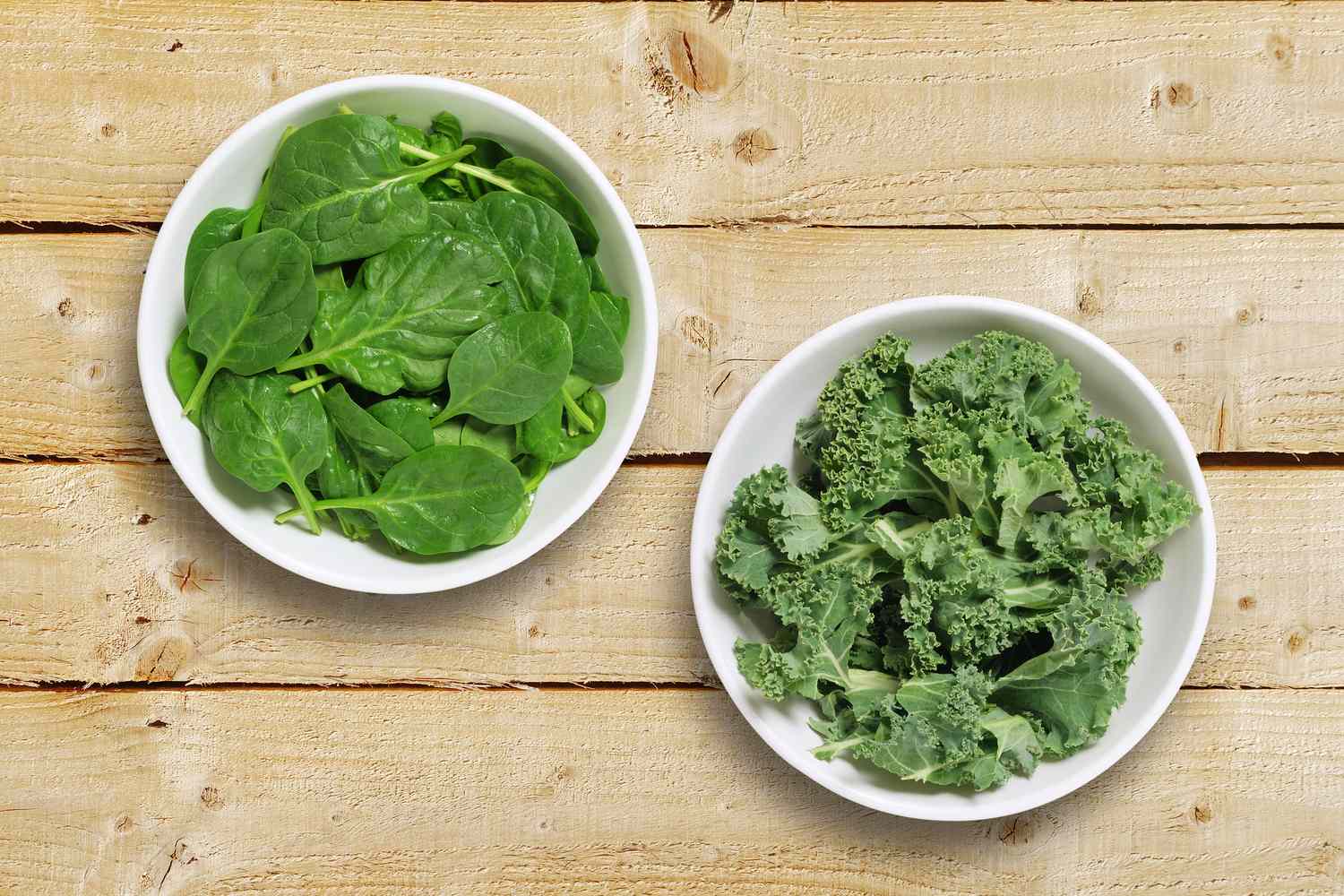
Spinach and kale
Foods rich in vitamin K — such as spinach or kale — can influence how certain blood-thinning medications work
Acidic foods
In some cases, acidic or highly processed foods may affect how the stomach responds when medication is taken, especially when the goal is to reduce irritation.

A shift in how people approach daily routines
In recent years, there has been growing interest in understanding how daily habits — including food timing — may influence overall well-being.This includes not only how medications are taken, but also how the body responds to: nutrients routines and small, repeated behaviorsSome people begin to look more closely at patterns.
Others simply become more aware of how their body reacts.
A practical way to think about it
Instead of seeing medications and food as separate, it may be helpful to think in terms of interaction. What is taken together? When is it taken? And how does the body respond over time? These questions don’t require extreme changes — just a bit more awareness.
Final note
If you take medications regularly, it may be worth paying attention not only to the prescription itself, but also to the context around it.Small details, repeated daily, can sometimes shape outcomes in ways that aren’t immediately obvious.And in many cases, understanding those details is less about complexity —
and more about observation